
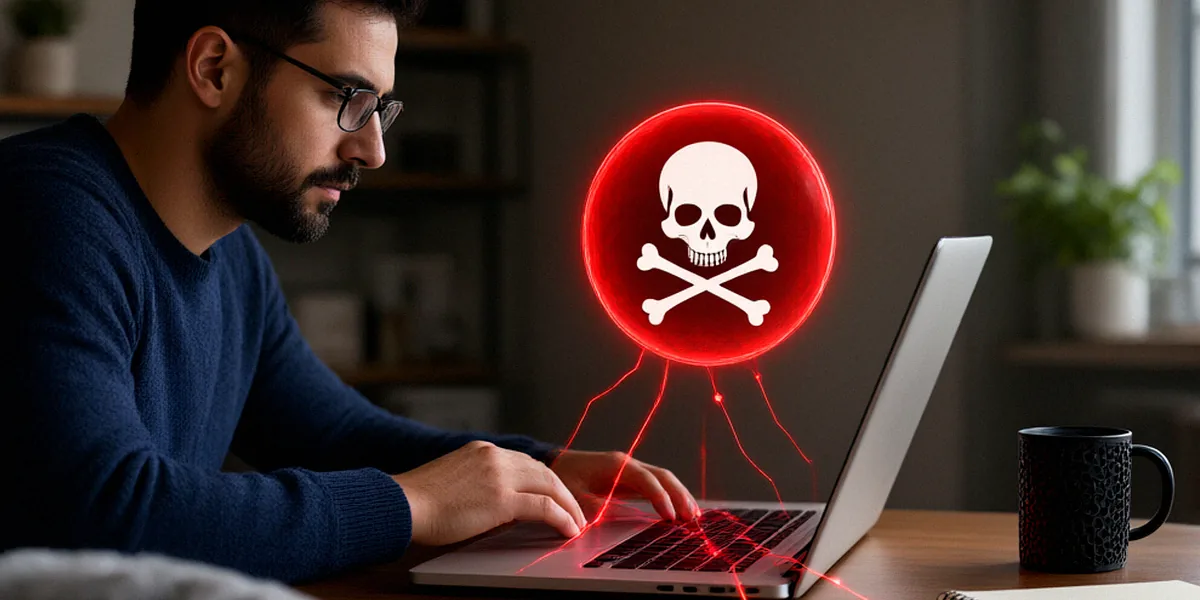
Why Illegal Streaming Sites Are a Malware and Scam Risk
A mate of ours tried to watch a Premier League match on a “free” streaming site last season. Within ten minutes his laptop was running hot, his browser had been hijacked, and by the next morning he was locked out of his email account. He’s not unusual. We hear stories like this constantly from readers across the UK, and they almost always start the same way: a big match, a new film, or a BBC drama that isn’t available where they expected, and a tempting link that promises it all for nothing.
The Hidden Dangers of Illegal Streaming Sites
Illegal streaming sites aren’t run by hobbyists doing viewers a favour. They’re businesses, and their product isn’t the stream — it’s you. Every visit exposes your device to malware, ransomware and phishing attempts, often delivered through the very ads and pop-ups that keep the site running. UK viewers are prime targets because we have high disposable income, widespread broadband access, and a genuine appetite for premium content.
The deception is deliberate. Fake play buttons, “your stream will begin in 5 seconds” countdowns, and pop-ups disguised as system warnings are all designed to get you to click. Once you do, the payload is delivered.
How Malware Infects Your Devices
Malware on streaming sites usually arrives in one of three ways: drive-by downloads that install themselves without any click, malicious browser extensions that request excessive permissions, or fake software updates telling you to install a “codec” or “player” that’s actually a trojan. On a 4K TV with a built-in browser, the risk is even harder to spot because you can’t easily inspect what’s running.
Ransomware is the most damaging outcome. It encrypts your files and demands payment in cryptocurrency, and recovery is often impossible even if you pay. Our advice is simple: if a site asks you to download anything to watch a stream, close the tab immediately.
Phishing and Identity Theft Risks
Many illegal sites require you to “register” before viewing. That registration form is often a phishing trap collecting email addresses, passwords and sometimes payment details. Because people reuse passwords, a single compromised login can cascade into email, banking and social media accounts.
Identity theft in the UK is a growing problem, and streaming-related phishing is one of the quieter entry points. If you’ve ever entered your details on a site you weren’t certain about, change those passwords today and enable two-factor authentication wherever it’s offered.
Why UK Viewers Are Especially Vulnerable
There’s a specific set of pressures that push UK viewers toward illegal sites. Premium sport is expensive, release windows are staggered, and geo-blocking means content available on a US service often isn’t available here. Scammers know this and target UK-specific demand with surgical precision.
The Lure of Free Premier League and BBC Content
Premier League fixtures are the single biggest draw for illegal streaming in the UK. Rights are split across multiple paid providers, and a full season can cost hundreds of pounds. Scammers exploit this by advertising “free HD Premier League streams” that either don’t work, bombard you with malicious ads, or harvest your data.
BBC content is another major lure. Popular dramas and live events get repackaged on illegal sites within hours, often with malware-laden players. The irony is that BBC iPlayer is free to licence fee payers and offers a far better picture than any pirated feed.
Legal Consequences and Fines in the UK
Watching illegal streams isn’t a victimless act, and UK law treats it seriously. Under the Digital Economy Act and related legislation, individuals can face warnings, fines and in serious cases prosecution. The maximum penalty for serious copyright infringement can reach up to ten years’ imprisonment.
In practice, most enforcement targets the operators rather than casual viewers, but that’s changing. ISPs now send educational alerts, and rights holders are increasingly pursuing individual cases. The risk isn’t theoretical.
How Illegal Streaming Sites Operate
These sites are rarely independent operations. Many are run by organised crime groups who treat streaming as one revenue stream among several, alongside counterfeit goods, financial fraud and drug trafficking. The technical infrastructure is deliberately spread across jurisdictions to frustrate takedowns.
Cryptocurrency plays a central role. Payments, ad revenue and ransomware demands are often settled in Bitcoin or Monero, making the money trail far harder for authorities to follow.
Ad Fraud and Malvertising
The ads you see on these sites aren’t just annoying — they’re the business model. Ad fraud generates revenue through fake impressions and clicks, while malvertising injects malicious code into legitimate-looking ad slots. A single rogue ad can compromise every visitor to a page.
We’ve seen reports of malvertising campaigns that redirect users to fake antivirus pages, crypto scams and subscription traps. Blocking ads helps, but it doesn’t make the site safe.
Data Harvesting and Selling Your Information
Every visit generates data: your IP address, device fingerprint, browsing habits and location. That information is packaged and sold on to advertisers, data brokers and, in the worst cases, criminals. Some sites also install tracking scripts that follow you across the web for months.
If a site is free, you’re the product. That’s not a cliché — it’s literally how these operations stay profitable.
Protecting Your Home Cinema Setup
If you’ve invested in a proper home cinema UK setup — a large 4K TV, a decent soundbar, maybe a projector — the last thing you want is malware crawling through your network. Protecting that investment starts with where you source your content.
Why Legal Streaming Is Safer and Better Quality
Legal services offer several advantages that illegal sites simply can’t match:
- BBC iPlayer delivers full HD and UHD streams with no ads and no malware risk
- ITVX offers free, ad-supported streaming with proper licensing and security
- Netflix, Disney+, Prime Video and Apple TV+ provide 4K HDR content with Dolby Atmos audio
- All legitimate platforms use HTTPS encryption and don’t require sketchy downloads
- Customer support exists if something goes wrong
The picture and sound quality on legal platforms is also simply better. Pirated streams are often compressed to the point where a 4K TV is wasted on them, and audio is frequently stereo rather than surround.
Securing Your 4K TV and Soundbar Setup
Your TV and soundbar are computers now, and they need the same care as any other device. Keep firmware updated, use strong unique passwords on streaming apps, and avoid installing apps from outside official stores. If your TV supports it, enable automatic updates.
A reputable VPN has legitimate uses — privacy on public Wi-Fi, accessing your own subscriptions while travelling — but it won’t make illegal streaming safe or legal. Don’t let anyone tell you otherwise.
The Real Cost of ‘Free’ Streaming
The savings from illegal streaming are an illusion. The costs show up later: a laptop that needs wiping, a bank account that’s been drained, a fine through the post, or hours lost to identity recovery. We’ve seen all of these happen to people who thought they were just saving a few quid.
Financial and Legal Repercussions
Device repairs and data recovery can run into hundreds of pounds. Identity theft can take months to resolve and damage your credit rating. Legal fines, while less common, are increasing. Add it all up and the “free” stream becomes the most expensive entertainment you’ll ever watch.
Supporting the UK Film and TV Industry
Every legal stream supports the writers, actors, technicians and production crews who make British television and film worth watching. The UK creative industry employs hundreds of thousands of people, and piracy directly undermines that. When you watch on BBC iPlayer or ITVX, you’re funding the next series of the show you love.
FAQ
Is it illegal to stream Premier League matches on unofficial sites in the UK?
Yes. Watching copyrighted content without a licence is a breach of copyright law in the UK. While enforcement has historically focused on site operators, individuals can face warnings, fines and, in serious cases, prosecution.
Can I get a virus just by visiting an illegal streaming site without clicking anything?
Yes. Drive-by downloads can install malware without any interaction, particularly if your browser or operating system is out of date. Malvertising can also deliver malicious code through ad slots on the page.
Is a VPN enough to make illegal streaming safe?
No. A VPN hides your IP address but does nothing to protect you from malware, phishing or legal consequences. We only recommend VPNs for legitimate privacy and travel use.
What’s the best legal alternative for watching BBC shows and live sport?
BBC iPlayer is free for licence fee payers and offers full HD and UHD streams. For sport, official broadcasters and their streaming apps provide secure, high-quality coverage. ITVX covers a huge range of free content with proper licensing.
Will illegal streams look good on my 4K TV and soundbar?
Almost never. Pirated streams are heavily compressed, often capped at 720p, and rarely carry proper surround sound. You’ll get far better picture and audio from a legal 4K HDR source paired with a decent soundbar.
Illegal streaming might look like a shortcut, but the risks to your devices, your data and your wallet are real and growing. Stick to legal services like BBC iPlayer, ITVX and the major subscription platforms — your home cinema setup, and your peace of mind, will thank you for it.