

TV Licence Rules: When You Need One for Streaming in the UK
You’ve settled into your favourite spot on the sofa, remote in hand, ready to binge the new series everyone’s talking about on BBC iPlayer. Then the nagging question hits: do you actually need a TV Licence for this? It’s one of the most common things our readers ask us, and the answer isn’t always obvious—especially now that we watch on smart TVs, laptops, phones, and tablets. Get it wrong and you could face a fine of up to £1,000. So let’s cut through the confusion and look at exactly when a TV Licence is required, when it isn’t, and how to stay on the right side of the rules.
The Law in a Nutshell: When a TV Licence Is Required
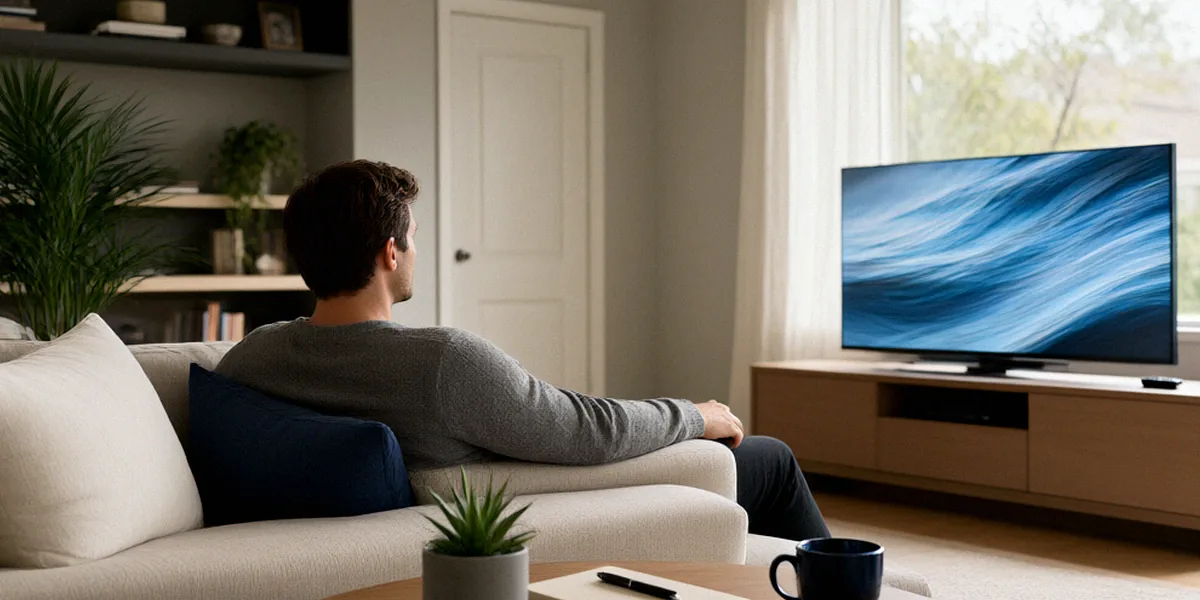
The rule is simpler than most people think. You need a TV Licence to watch or record live TV on any channel, and you need one to use BBC iPlayer for any content at all—live or on-demand. Crucially, this applies no matter what device you’re using. A 65-inch 4K TV in the living room, a laptop in the kitchen, a phone on the train—the device doesn’t matter. What matters is what you’re watching.
A TV Licence currently costs £169.50 per year (as of 2024), and one licence covers your entire household at your address. If you live in a shared house with separate tenancies, each flat or unit usually needs its own licence.
What counts as ‘live TV’?
Live TV means watching a programme at the same time it’s being broadcast, on any channel. That includes:
- Live broadcasts on BBC, ITV, Channel 4, and Channel 5
- Live channels streamed through ITVX, Channel 4, or My5
- Live sports and events on Now TV or similar platforms
- Anything you record to watch later using a PVR or similar device
It also covers live TV streamed through services you might not immediately associate with broadcasting, such as YouTube’s live channels or Twitch streams of scheduled TV events. If it’s happening live, you need a licence.
BBC iPlayer: The special case
BBC iPlayer is the big exception to the “on-demand is fine” rule. You need a TV Licence to watch anything on BBC iPlayer—whether it’s live, a catch-up episode of EastEnders, or an on-demand documentary. There’s no loophole here. Even watching a single minute of iPlayer content without a licence puts you at risk of prosecution.
Streaming Services That Don’t Need a Licence
Here’s the good news. Most of the streaming we do day-to-day doesn’t require a TV Licence at all. On-demand services like Netflix, Amazon Prime Video, and Disney+ are licence-free, because you’re watching content on demand rather than as it’s broadcast. ITVX is also fine for on-demand content—but the moment you tune into its live channels, a licence is required.
On-demand vs. live: the key difference
The distinction comes down to timing. If you choose what to watch and when to watch it—pressing play on a boxset, for example—that’s on-demand, and no licence is needed. If you’re watching something as it airs, that’s live TV, and you need one. This applies across every platform, including ITVX, Channel 4, and Now TV.
What about YouTube and other platforms?
YouTube is a grey area for some viewers. Watching pre-recorded videos on YouTube doesn’t require a TV Licence. However, if you’re watching a live stream of a scheduled TV broadcast—say, a live simulcast of a channel—you do need one. The same logic applies to other video platforms. If in doubt, ask yourself: is this happening live, right now, as part of a broadcast schedule? If yes, you need a licence.
How We Watch: Common Scenarios and Their Rules
Our team gets asked about specific setups all the time, so let’s walk through the most common ones.
Watching on a 4K TV with a soundbar
This is the classic home cinema UK setup: a 4K TV paired with a soundbar for proper room-filling audio. The hardware doesn’t change the rules. If you’re using that setup to watch BBC iPlayer, live TV, or anything recorded from live TV, you need a licence. If you’re only using it for Netflix, Disney+, or Amazon Prime Video on-demand, you don’t. The soundbar is irrelevant to TV Licensing—it’s all about the content.
Live sports and events on streaming platforms
Live sport is where people often slip up. Watching a Premier League match on Now TV, a live boxing event on DAZN, or a live tennis final on Amazon Prime Video all require a TV Licence, because you’re watching live TV. The platform doesn’t matter—the live element does. Recording live sport to watch later also requires a licence, since recording live TV is covered by the same rules.
Enforcement and Penalties: What Happens If You Don’t Have One
TV Licensing takes enforcement seriously, and the penalties are real. If you’re caught watching or recording live TV, or using BBC iPlayer, without a licence, you could be fined up to £1,000. In serious cases, you could face prosecution and a criminal record. We always recommend staying compliant—it’s simply not worth the risk.
How TV Licensing catches evaders
TV Licensing uses a combination of methods to identify households without a licence. Detector vans are the most famous—they can detect the presence of a TV signal being received at an address. Beyond that, TV Licensing maintains a database of addresses without licences and cross-references it with purchases of TV equipment from retailers. Enforcement officers also visit addresses in person. If you’re watching without a licence, the odds of being caught are higher than many people assume.
What to do if you receive a letter
If you receive a letter from TV Licensing, don’t ignore it. If you don’t need a licence—because you only watch on-demand services like Netflix—you can declare that online. If you do need one, buy it promptly to avoid escalating penalties. If you’re unsure whether your viewing habits require a licence, it’s worth checking the official guidance before responding.
How to Buy or Cancel Your TV Licence
Managing your licence is straightforward, whether you’re buying your first one or cancelling because your habits have changed.
Buying your licence online
The quickest way to buy is at tvlicensing.co.uk. You can pay in one go or set up a direct debit, which spreads the cost across monthly payments. A TV Licence costs £169.50 per year (as of 2024), and you can choose from several payment plans to suit your budget.
Cancelling and claiming a refund
If you no longer need a licence—perhaps you’ve moved to streaming-only viewing—you can cancel it. TV Licensing offers refunds for any unused full months remaining on your licence. So if you’ve paid for a year and cancel after four months, you can typically claim back the remaining eight months. Just make sure you genuinely don’t need one before cancelling, because watching live TV or BBC iPlayer without a licence carries the penalties we’ve outlined.
FAQ
Do I need a TV Licence to watch Netflix?
No. Netflix is an on-demand service, so you don’t need a TV Licence to watch it. The same applies to Amazon Prime Video and Disney+, as long as you’re only watching on-demand content.
Can I watch ITVX without a TV Licence?
Yes, for on-demand content. ITVX’s catch-up and boxset content doesn’t require a licence. However, if you watch ITVX’s live channels, you do need one.
What happens if I watch BBC iPlayer without a licence?
You risk a fine of up to £1,000 and potential prosecution. BBC iPlayer requires a TV Licence for all content, live or on-demand, so it’s essential to have one if you use the service.
Does a soundbar or 4K TV affect whether I need a licence?
No. The equipment you use—whether it’s a 4K TV, soundbar, laptop, or phone—doesn’t change the rules. What matters is whether you’re watching live TV or using BBC iPlayer.
How much does a TV Licence cost in 2024?
A TV Licence costs £169.50 per year as of 2024. You can pay annually, quarterly, or by monthly direct debit.
Streaming on-demand services like Netflix, Amazon Prime Video, and Disney+ is licence-free, which is great news for most of our home cinema setups. But the moment you tune into live TV—on any platform, including ITVX, Channel 4, and Now TV—or open BBC iPlayer, a TV Licence is required. With fines of up to £1,000 on the line, it’s always worth checking your viewing habits and making sure you’re compliant. If you’re unsure, a quick visit to tvlicensing.co.uk will set you straight.