
Blu-ray in the Streaming Age: Is Physical Media Worth Collecting?
It is a familiar evening ritual in our households: we settle onto the sofa, open Netflix or scroll through BBC iPlayer, and spend twenty minutes browsing before settling on something to watch. Yet, despite the endless carousel of digital content, many of us still find ourselves reaching for a Blu-ray disc. There is something satisfying about the tactile click of a case opening and the immediate, uncompressed playback that follows. In an era dominated by legal streaming, we wanted to explore why physical media refuses to die and whether it is still worth collecting for the discerning viewer in the UK.
The Streaming Convenience We All Love

We cannot deny the sheer utility of legal streaming. It has fundamentally changed how we consume television and film, offering a library of content at our fingertips without the need to leave the house. For most of us, services like BBC iPlayer, Netflix, and Disney+ are the default settings on our smart TVs.
Why We Stream: Instant Access and Cost
The primary draw is undeniably convenience. With a monthly subscription, we gain access to thousands of hours of content. For a 4K TV owner, platforms like Netflix offer a decent selection of Ultra HD titles, while BBC iPlayer provides a fantastic archive of British broadcasting free of charge (provided you have a TV licence). The upfront cost is low, and the barrier to entry is practically non-existent. We can start a film on our phone during the commute and finish it on the big screen in the living room.
The Limits of Streaming: Bitrate and Licensing
However, convenience often comes with a compromise. Streaming relies heavily on compression to deliver video over the internet. Even with a fibre broadband connection, the bitrate—the amount of data processed over a given time—is significantly lower than what is found on a disc. Furthermore, we have all experienced the frustration of a favourite film disappearing from a platform overnight due to licensing agreements. Content on BBC iPlayer is particularly transient; programmes rotate out regularly, meaning the show you planned to rewatch next month might simply vanish.
Blu-ray Quality: The Uncompromised Picture and Sound
This is where physical media steps in to offer a masterclass in fidelity. When we talk about the best possible experience for a home cinema UK setup, we are talking about data rates that streaming simply cannot match. A 4K UHD Blu-ray disc offers a pure, unadulterated feed that maximises the capabilities of modern displays.
4K UHD Blu-ray vs Streaming Bitrates
The difference in bitrate is staggering. While a high-quality 4K stream might run at around 15 to 25 Mbps, a 4K UHD Blu-ray disc can deliver data at rates of 60 to 100 Mbps or more. This massive increase in data allows for superior HDR (High Dynamic Range) performance. Shadows are deeper, highlights are brighter, and colour gradients are smoother, free from the “banding” or blocky artefacts that can plague dark scenes in streamed content. If you have invested in a high-end 4K TV, a disc is the only way to see exactly what it is capable of.
Audio Advantage: Dolby Atmos and DTS:X
Picture quality is only half the battle. Audio is where Blu-ray truly dominates. Streaming services compress audio heavily to save bandwidth, often reducing lossless Dolby Atmos or DTS:X tracks to standard Dolby Digital Plus. A Blu-ray disc carries the uncompressed, lossless audio track. When paired with a decent soundbar or a full surround system, the difference is night and day. You hear the subtle rustle of leaves, the precise direction of a bullet, and the full weight of a cinematic score without the digital compression artefacts.
The Collector’s Appeal: Ownership and Extras
Beyond the technical specs, there is a psychological comfort in ownership. We are not just renting a licence to view a film; we own the copy. This is particularly relevant in the UK, where the streaming landscape is fragmented across multiple paid subscriptions.
Special Editions and Bonus Content
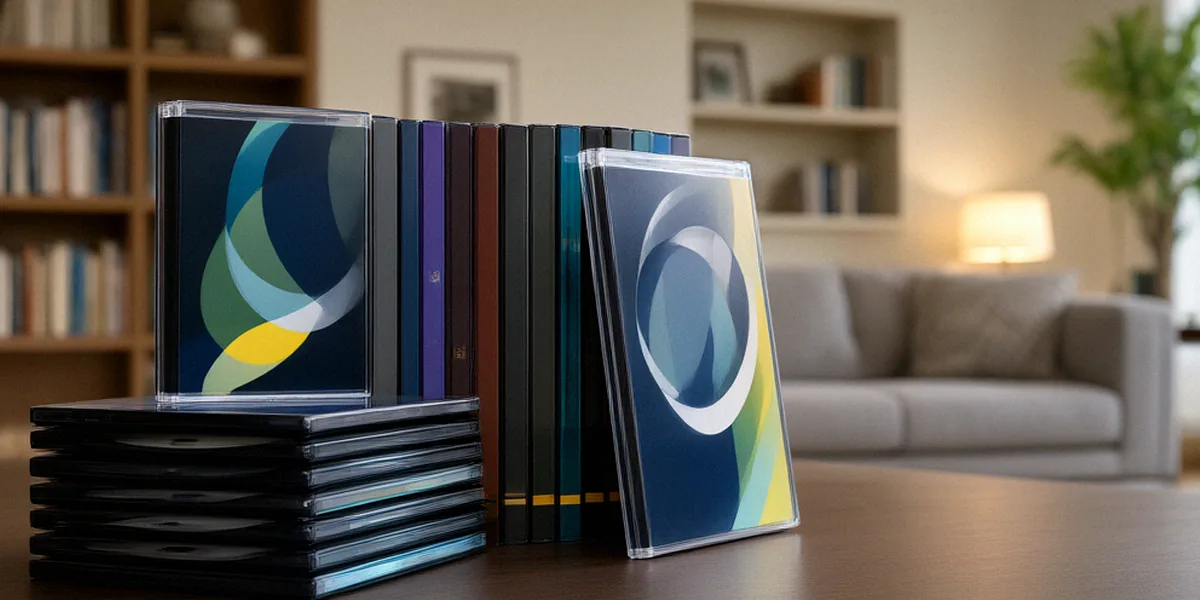
Collectors love the physical artefact. Steelbooks, slipcases, and box sets look fantastic on a shelf. More importantly, physical releases often include a wealth of bonus content that is rarely found on streaming platforms. We are talking about director’s commentaries, behind-the-scenes documentaries, deleted scenes, and interviews. These extras provide a deeper appreciation of the filmmaking craft and are a major draw for enthusiasts.
Ownership in a Digital World
When you buy a disc, no one can take it away from you. If a licensing deal expires and a movie is pulled from Netflix or BBC iPlayer, your Blu-ray copy remains on your shelf, ready to play. This permanence is invaluable for film lovers who want to build a curated library that reflects their taste, rather than relying on the shifting tides of corporate streaming rights.
Cost and Space: The Practical Considerations
We have to be realistic: collecting physical media requires a financial and spatial commitment. It is not the cheapest hobby, but when broken down, it often offers better value per viewing than we might initially think.
Player and Disc Costs in the UK
A decent 4K Blu-ray player from brands like Panasonic or Sony will set you back between £150 and £300. Discs themselves vary widely; new releases can cost £20-£25, while older titles or sales can bring that down to £8-£10. Compare this to paying for three or four streaming subscriptions just to access different exclusives. If you only watch a handful of new releases a month, buying the disc outright often works out cheaper than a subscription you barely use.
Storing Your Collection
Space is the eternal enemy of the collector. A standard Blu-ray case takes up about 1.5cm of shelf space. If you amass 200 films, that is a significant wall. We recommend investing in dedicated shelving or media cabinets that fit the aesthetic of your living room. Alternatively, you can store discs in binders to save space, though this means sacrificing the display value of the cases.
Integrating Blu-ray into Your Home Cinema UK Setup
Adding a player to your existing setup should be seamless. The goal is an ecosystem where disc and digital coexist happily. Here is how we recommend integrating the two.
Choosing a 4K Blu-ray Player
Look for a player that supports HDR10 and Dolby Vision to match your 4K TV. Many modern players also include smart features, meaning you can access streaming apps directly through the player if your TV’s interface is sluggish. Ensure it has dual HDMI outputs if you have an older AV receiver, allowing you to send audio and video separately.
Soundbar and Speaker Calibration
To get the most from your discs, you need to calibrate your audio. If you are using a soundbar, ensure it supports the codecs on your discs (Dolby Atmos, DTS:X). Use the calibration microphone or settings menu to balance the levels. We suggest switching your TV’s picture mode to “Filmmaker” or “Cinema” when watching a Blu-ray to disable motion smoothing and preserve the director’s intent. When switching to legal streaming via BBC iPlayer or Netflix, you may need to re-enable specific motion settings depending on your preference.
The Verdict: Is Physical Media Worth It for You?
So, should you start collecting? It depends entirely on what you value. We have weighed the pros and cons to help you decide.
For the Casual Viewer
If you watch a few shows a week and are happy with the quality of Netflix and BBC iPlayer, you probably do not need to start buying discs. The convenience of streaming is unbeatable for casual consumption, and the cost of entry for a player and discs might not be justified if you are not picky about bitrates.
For the Home Cinema Enthusiast
If you have invested in a large 4K TV, a high-quality soundbar, or a surround sound system, you are doing yourself a disservice by relying solely on streaming. The jump in quality from a stream to a 4K UHD Blu-ray is the single biggest upgrade you can make to your system. For the enthusiast, physical media is essential to experience the full potential of the hardware.
FAQ
Is 4K streaming as good as a 4K Blu-ray disc?
No, it is not. While 4K streaming looks good, it is heavily compressed to save data. A 4K Blu-ray disc offers significantly higher bitrates, resulting in sharper detail, better colour accuracy, and superior HDR performance. The audio difference is even more pronounced, with discs offering lossless soundtracks.
Do I need a special player to watch Blu-rays on my 4K TV?
To watch standard Blu-rays, any standard player will do. However, to watch 4K UHD Blu-rays, you will need a dedicated 4K UHD Blu-ray player (or a gaming console like the Xbox Series X or PS5). You will also need an HDMI cable that supports the higher bandwidth required for 4K HDR video.
Can I still use BBC iPlayer if I have a Blu-ray player?
Yes. Most modern 4K Blu-ray players are smart devices that include apps for BBC iPlayer, Netflix, and YouTube. Alternatively, you can simply switch your TV’s input source back to the built-in smart TV interface to access legal streaming services.
Are Blu-rays region-locked in the UK?
Standard Blu-rays are region-locked (Region B for the UK and Europe). However, 4K UHD Blu-rays are region-free. This means you can import 4K discs from the US or Japan and play them on a UK player without any issues.
Ultimately, we believe the best approach is a hybrid one. Legal streaming is fantastic for convenience, discovering new content, and catching up on BBC iPlayer. But for the films you truly love, the ones you want to see in the best possible quality and ensure you own forever, Blu-ray remains the undisputed king. It is the difference between listening to a song on a phone speaker and sitting in front of a live orchestra.
- Streaming wins on convenience; Blu-ray wins on quality and ownership.
- 4K UHD discs deliver far higher bitrates and lossless audio than any stream.
- Physical media protects your favourite films from licensing removals on BBC iPlayer and Netflix.
- A hybrid setup—streaming for discovery, discs for favourites—is the best of both worlds.